A method is only as alive
as the people who carry it.
The Romanowski Method was not built alone. It grew through decades of collaboration, through people who arrived by synchronicity, who recognised something before they could name it, and who gave their own particular gifts to what it became.
Founder
Jeff Romanowski
United States — practicing since 1991
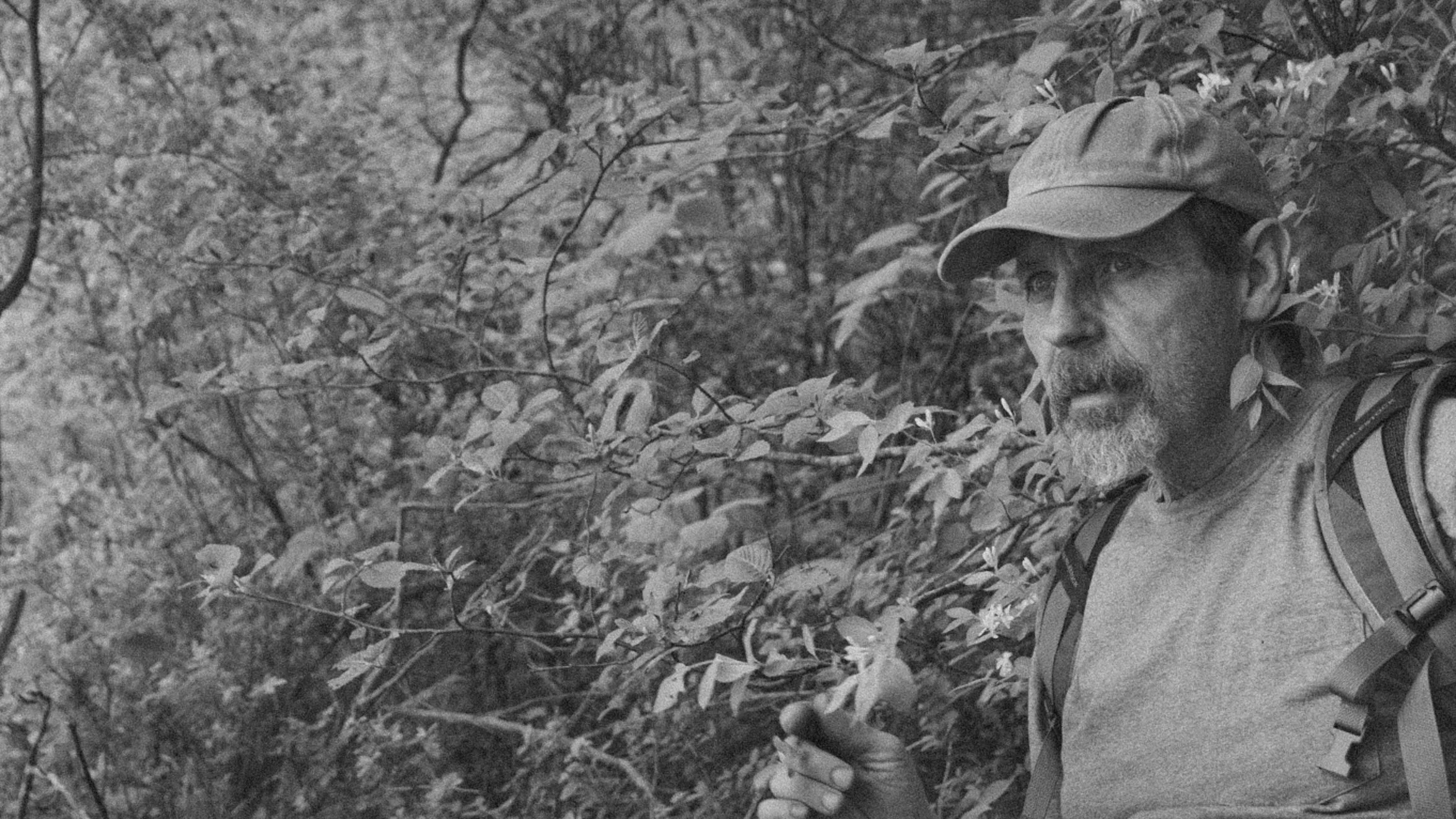
He learned to feel the forest before he could name what he was feeling. Everything that followed was a refinement of that.
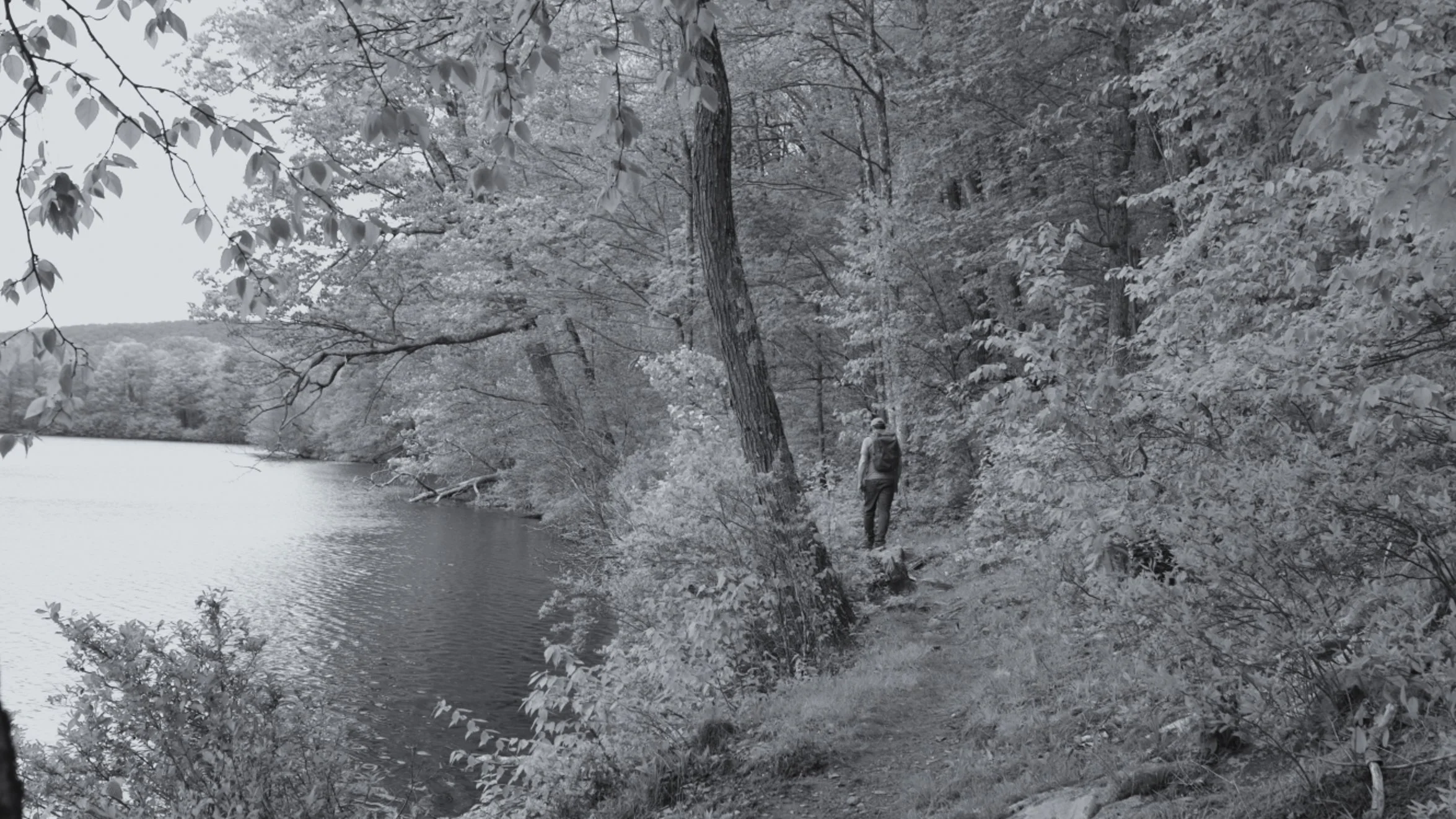
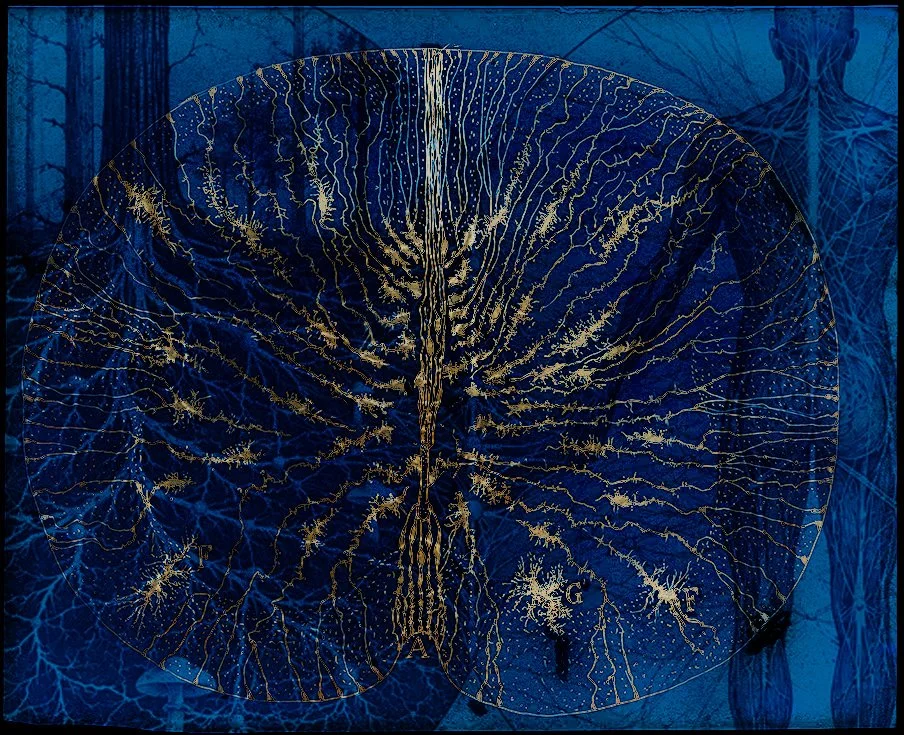
As a boy walking in the woods with his father, he learned to sense mushrooms before he saw them — to feel through his feet the subtle organisation of the mycelium running beneath the forest floor, the network that quietly connects what looks separate above the ground. The mycelium of the forest and the fascia of the human body are remarkably similar in form and function — vast interconnected networks, largely invisible from the surface, responsive to pressure and to the living things moving through them. Jeff has spent decades learning to feel and work with the human version of that network.
What he didn't know, in those early years of building the Method, was that the conditions shaping it were not only his training and his curiosity. In the late 1980s, before the Method had its name, he contracted Lyme disease — at a time when it was poorly understood and difficult to diagnose, when adequate early treatment was rarely possible. The spirochete moved through the system for years. Among its effects was a sustained compromise of cortical functioning — the kind of thinking that names, analyses, and organises experience into systems.
This turned out to matter in ways he couldn't have anticipated at the time. The territory the Method works in is pre-cortical — the fright layer, the autonomic patterns held in tissue, the knowing that lives below language and decision. A fully functioning cortex might have organised the early observations into a framework too quickly, named things before they were fully known, and in doing so closed off what didn't fit. The compromised cortex was forced to develop differently — to find its way through sensation and direct perception rather than through analysis. The Method formed in that space.
The limitation may have been the condition that made it possible.
Lead teacher · Training · Director
Mariana Candeia
Brazil - practicing for 19 years
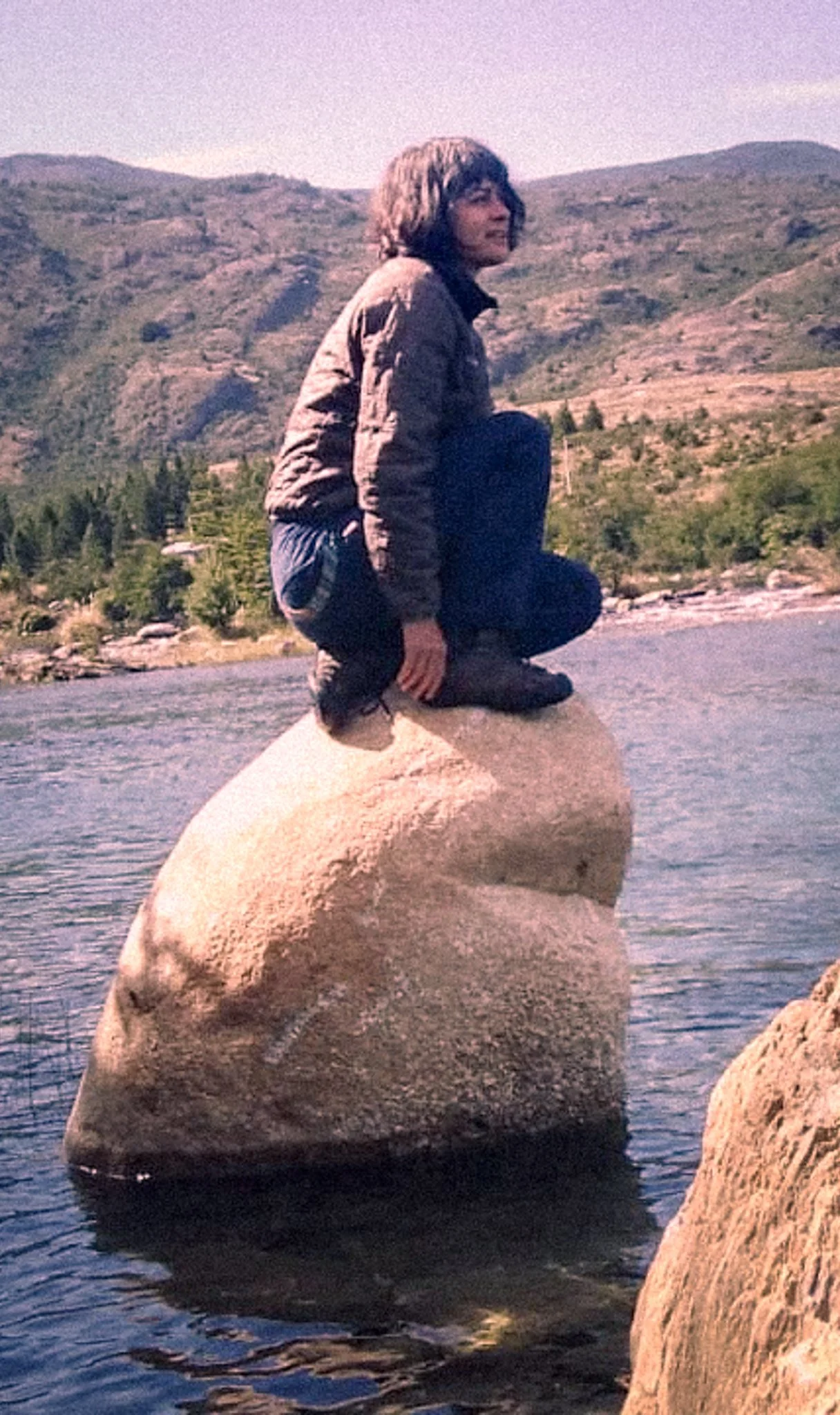
Mariana Candeia was shaped by places that require total presence.
She grew up in the countryside of Paraíba, between the caatinga and an ancestral heritage that has never been separated from the land. Her grandfather—an adopted son of that resilient land—carried the history of the place within him. The language he used came from the cycles, the forces of the land, and an intimacy with the living world. Mariana grew up witnessing this—and learned, even before any theory, that one’s experience of self is inseparable from the place one inhabits.
At the age of ten, a move took her from the sertão to the capital. This rupture—felt in her body before it was understood by her mind—instilled in her a deep sensitivity to the impact that the disruption of bonds with the living world has on identity, on personal history, and on the body. Years later, while studying the concept of the Sacred Wound (Soulcraft, Bill Plotkin), she recognized in that childhood experience one of the deepest roots of her understanding of trauma—not merely as a psychological event, but as a rupture of belonging.
For fifteen years, she led expeditions in extreme ecosystems—glaciers in Alaska and Patagonia, places where the body must respond to the world without a filter. Not as an accumulation of technique, but as a refinement of perception. The body under real stress. The body encountering its limits. The body discovering what it knows when there is no other choice but to listen to it.
It was in this context that the Romanowski Method arrived—in 2007, through Paula Gama, who gave her the first treatment on her nose and unlocked something she still lacked the words to describe. It wasn’t just a session.
It was an initiation. The beginning of a practice she continues to this day—as a therapist, as a trainer, and as the director of training in Brazil.
Practitioner · Spain
Santiago Ruiz
Spain — practicing for over 20 years
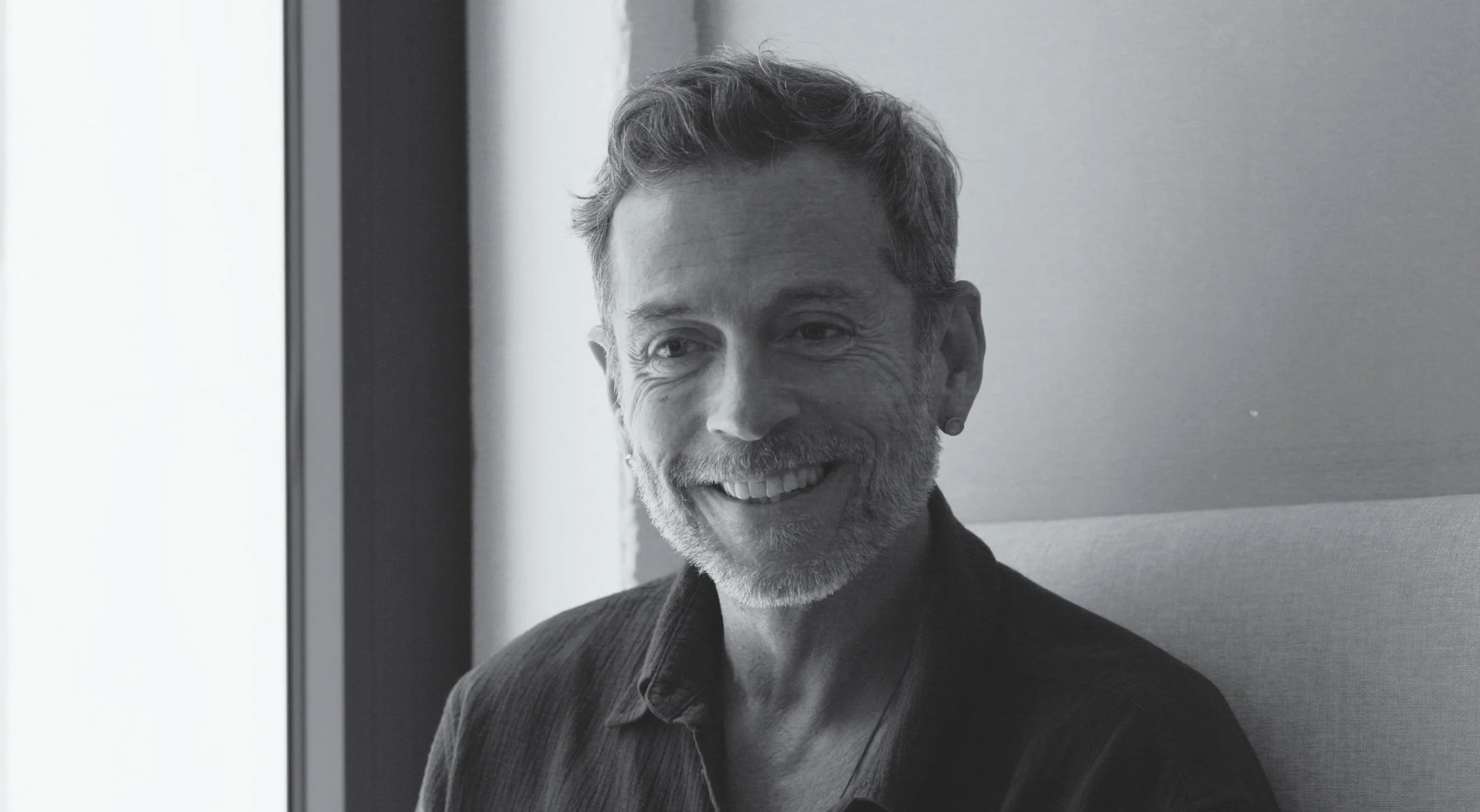
Santiago Ruiz arrived at the method the way the method tends to arrive — through something that could not have been planned. Flying from New York to São Paulo, he sat next to Jeff Romanowski for the entire flight without knowing who he was. It was Paula Gama — who had come to meet Jeff at the airport — who made the introduction. Santiago, a special kind of traveller who had not yet decided where to stay in São Paulo, found himself invited to be the demonstration body in Jeff's next seminar. He said yes.
His first session left him feeling like he was inside a column of air surrounded by vibration. He was already walking a path within the Toltec tradition, and the method felt like an acceleration of something already in motion. Jeff offered to teach him. He accepted. He brought the method to Madrid, and has been practicing for over twenty years.
Before the method, Santiago had spent decades as an actor, director, filmmaker, and creative director — working with Walt Disney, Universal Studios, Cirque du Soleil, and directing the first Spanish edition of Got Talent. His life had always been a study in how to move people, how to create the conditions for something real to happen in another human being. Jeff's word for him is impeccability.
"I strongly believe in the importance of caring. Care begins with honesty and deep understanding of the human nature."
— Santiago Ruiz
The method lives in the people it moves.
Co-creator · Brazil
Paula Gama
Brazil — 1998 to 2024
Paula Gama came to the method in her early twenties. She saw a friend return home with a different face — something had changed in him — and she said, without hesitation: whatever you just did, I want that.
She booked a session in Brazil. Afterward, she told Jeff: you resolved in me in one hour what would take four years of psychotherapy. She then went to the United States to study Buddhist psychology at the Naropa Institute in Boulder, Colorado. Already in the same country as Jeff, she reached out to him again to ask to learn. He said yes. She went to Connecticut, where she began learning alongside him and assisting his sessions.
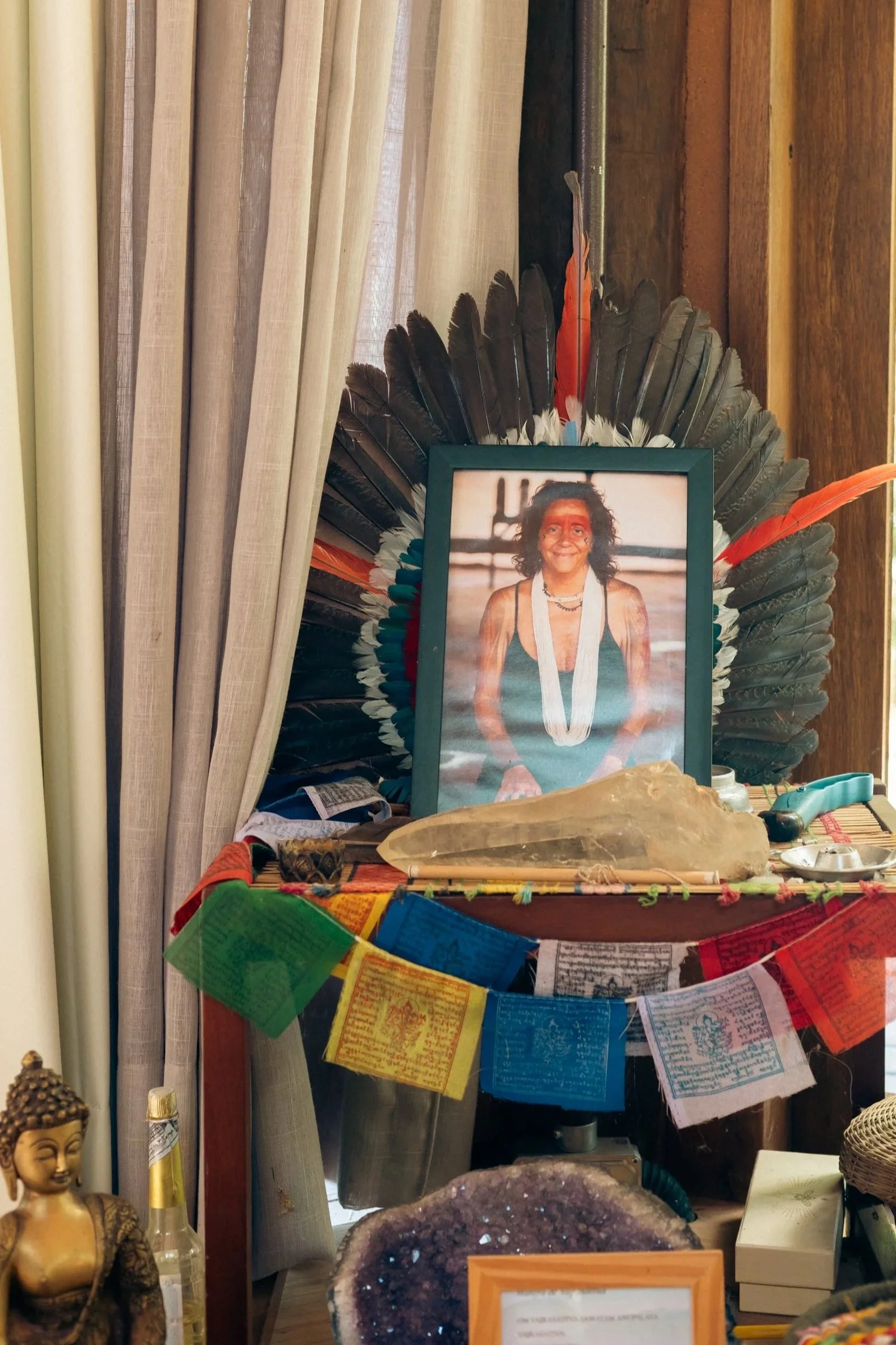
From 1998 she became the coordinator of the Romanowski Method in Brazil — the person who built everything there. She was a psychologist, a lifelong Buddhist practitioner, an artist. She built a bridge between Jeff's work and the indigenous peoples of the Xingu — facilitating an exchange of healing knowledge between the method and the Yawalapiti people that deepened both.
Paula passed away on May 6, 2024, returning from a meditation retreat in Nepal with her Buddhist teacher. Her passing was sudden and unexpected.
"She was an angel, disguised in imperfections... Having helped guide her back to the remembrance of her true self is a profound honour, the kind that makes your body vibrate."
— Jeff Romanowski, on Paula Gama